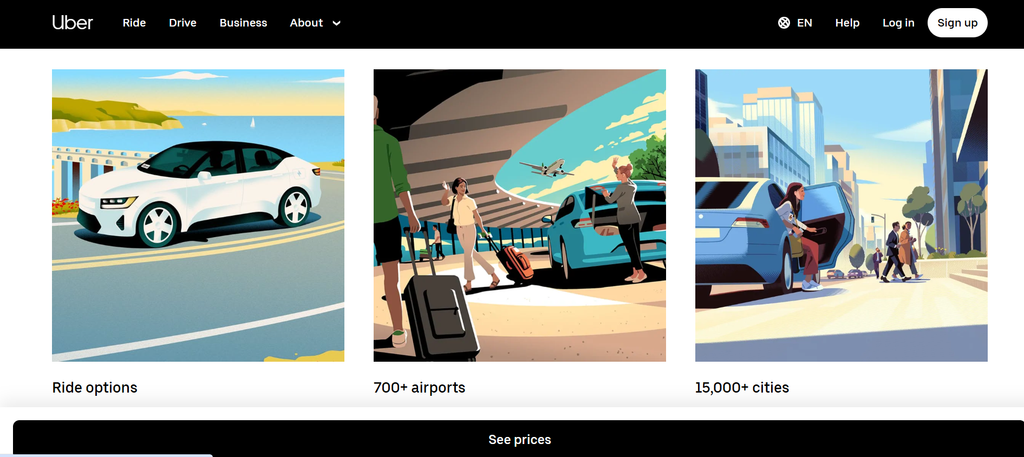
Modern transportation has changed significantly with the growth of digital platforms, making it easier for people to arrange rides whenever they need them. Uber has become part of this shift by connecting passengers with drivers through a mobile application. Instead of waiting on the roadside or searching for transportation manually, users can enter their destination and explore available ride options from their phones. The platform is used for different types of journeys, including daily commuting, airport transfers, shopping trips, and social occasions. Its digital approach brings booking, trip information, and payment features together in one place. This convenience has helped app-based transportation become a familiar part of everyday travel for many people.
How App Based Transportation Has Evolved
The rise of smartphones has transformed the way people plan and experience transportation. Traditional methods often required passengers to find a taxi, contact a local service, or wait at designated pickup points. App-based platforms introduced a more flexible alternative by allowing users to request transportation from locations shown within a digital map. This development has also made journey information more accessible before and during a trip. Passengers can generally see important details such as pickup locations, estimated arrival information, and driver details through their phones. As cities become increasingly connected, digital transportation services continue to influence how people move around urban areas. They demonstrate how technology can simplify routine activities and provide greater visibility throughout a journey.
Convenient Features For Modern Travellers
Convenience is one of the main reasons people turn to digital transportation services. A mobile application can allow users to arrange a ride without making a phone call or physically searching for available vehicles. The ability to enter a destination before booking can also make planning easier, particularly when travelling somewhere unfamiliar. Depending on the location, users may have access to different vehicle categories suited to individual preferences and circumstances. Digital maps can provide information about pickup points and routes, while notifications can keep passengers updated as their journey progresses. These features can be useful for commuters, tourists, families, and occasional travellers. Bringing several transportation functions into one platform creates a more organised experience for people with busy schedules.
Safety Remains Important During Every Journey
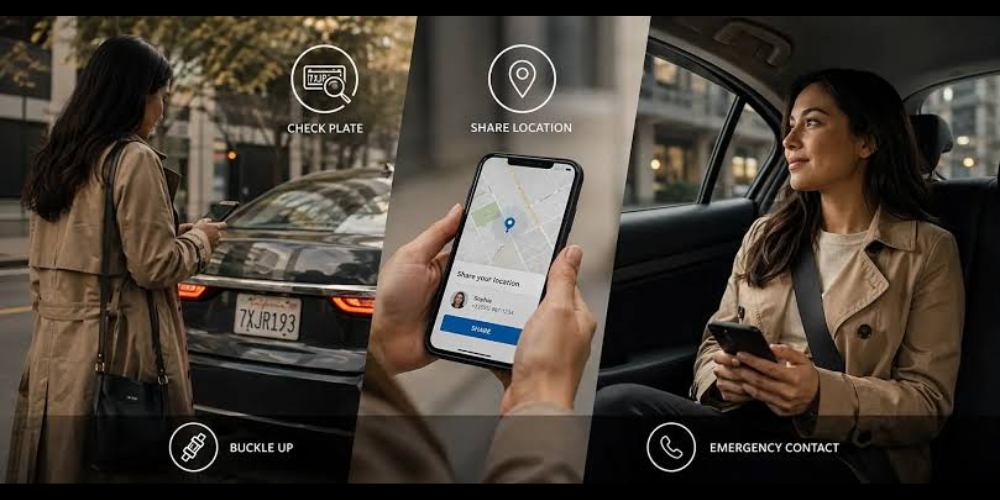
Safety is an essential consideration whenever people use transportation services. Technology has introduced several tools designed to provide passengers with more information and control during their journeys. Digital ride platforms can provide driver and vehicle information, route tracking, trip-sharing options, and ways to contact support when assistance is required. Passengers can also take basic precautions, such as checking the vehicle details before entering and confirming that the driver information matches the booking. Sharing trip details with a trusted contact can provide additional awareness when travelling alone. While technology can offer useful safeguards, passengers should continue following sensible travel practices. Understanding the safety features available in a particular service can help users make better-informed decisions throughout their journeys.
Transportation Options For Different Occasions
People use transportation services for many different reasons, and their requirements can change from one journey to another. Someone travelling to work may prioritise convenience and regular availability, while a tourist might need transportation between an airport, hotel, restaurant, and attractions. Families may look for suitable vehicle options, while groups could require additional space. Digital platforms can make these choices easier by presenting available services through one application. In some locations, users may find different ride categories designed around factors such as vehicle size, comfort, or pricing. Availability naturally depends on the city, local regulations, traffic, and current demand. Checking the options displayed before booking allows travellers to select a service that fits their particular journey.
Technology Continues Transforming Urban Mobility
Technology has become closely connected with modern urban mobility. Navigation systems, smartphones, digital payments, location services, and real-time notifications have changed how people interact with transportation. Rather than treating a journey as something that begins only after entering a vehicle, passengers can now manage several parts of the experience digitally. They can plan pickup locations, monitor approaching vehicles, follow routes, and access trip records through their devices. These developments can also contribute to more predictable travel planning, particularly in busy cities where transportation can be challenging. However, technology cannot remove every challenge associated with travel. Traffic congestion, weather, vehicle availability, road conditions, and unexpected delays can still influence journeys. Digital tools are therefore best viewed as practical aids within a broader transportation system.
Conclusion: Digital Travel Keeps Moving Forward

The development of app-based transportation reflects the wider influence of technology on everyday life. Digital platforms have made it possible to arrange rides, access journey information, communicate with drivers, and manage payments through connected devices. This approach can provide useful convenience for commuters, travellers, families, and people who occasionally need transportation. At the same time, every journey remains influenced by factors such as location, demand, traffic, availability, and local transportation conditions. As technology continues developing, transportation services are likely to introduce new tools that focus on convenience, accessibility, safety, and improved user experiences. For modern travellers, understanding how these platforms work and using their available features responsibly can make everyday journeys more organised and manageable.
