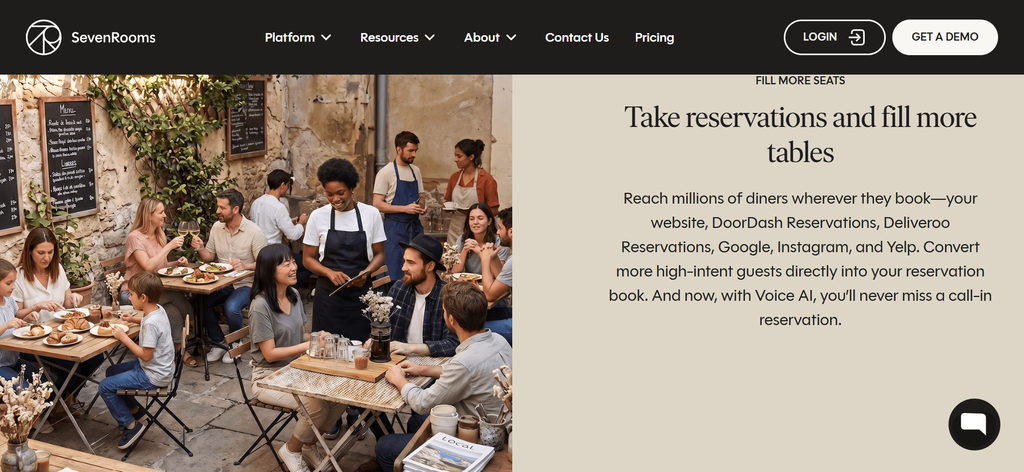
The restaurant industry has changed significantly as technology becomes increasingly important in managing everyday operations and guest relationships. SevenRooms is a hospitality technology platform that brings together several functions designed to help restaurants and hospitality businesses manage their operations more efficiently. Modern diners expect convenient reservations, personalized service, timely communication, and smooth experiences from beginning to end. Technology can help businesses meet these expectations while giving teams better access to useful information. From reservation management and guest profiles to marketing and operational tools, integrated platforms can reduce the need to manage different systems separately. This approach reflects the growing role of digital solutions in creating connected and organized hospitality experiences for businesses and their customers.
Reservation Tools Simplify Restaurant Booking Experiences
Reservations are an important part of restaurant operations because they help businesses organize seating while giving guests a convenient way to plan their visits. Digital reservation systems can make this process easier by allowing customers to book tables online without needing to contact a restaurant directly. They can also help restaurants manage availability, cancellations, waitlists, and booking information from a central system. Automated confirmations and reminders can further improve communication with guests while reducing repetitive administrative tasks for staff. For restaurants handling busy dining periods, organized reservation management can make it easier to understand expected demand. These tools can contribute to smoother operations while creating a more convenient booking experience for customers who increasingly prefer digital interactions.
Guest Information Supports Personalized Hospitality Services
Understanding guests can help hospitality businesses create experiences that feel more personal and relevant. Guest management technology can organize information such as previous visits, dining preferences, special occasions, and other relevant interactions. Having this information available can help restaurant teams recognize returning customers and respond to their preferences more effectively. Personalized hospitality does not necessarily require complicated gestures; remembering useful details can make a visit feel more thoughtful. Guest information can also help businesses identify patterns in customer behavior and understand which experiences encourage repeat visits. When handled responsibly, organized guest data becomes a useful business resource. It can support better service while helping restaurants build stronger and more consistent relationships with their customers over time.
Marketing Connects Restaurants With Their Guests
Marketing plays an important role in attracting customers and encouraging existing guests to return. Digital hospitality platforms can help restaurants use customer information to create more relevant marketing communications. Instead of sending identical messages to every customer, businesses can organize audiences according to interests, visit patterns, or other useful characteristics. Restaurants may use these capabilities to communicate about special events, seasonal menus, promotions, or new experiences. Automated communication can also reduce the amount of repetitive work required from marketing teams. Effective restaurant marketing is not simply about sending more messages; relevance and timing can be equally important. By connecting guest information with marketing activities, restaurants can develop communication strategies that are more closely aligned with customer behavior and business objectives.
Integrated Technology Helps Improve Daily Operations
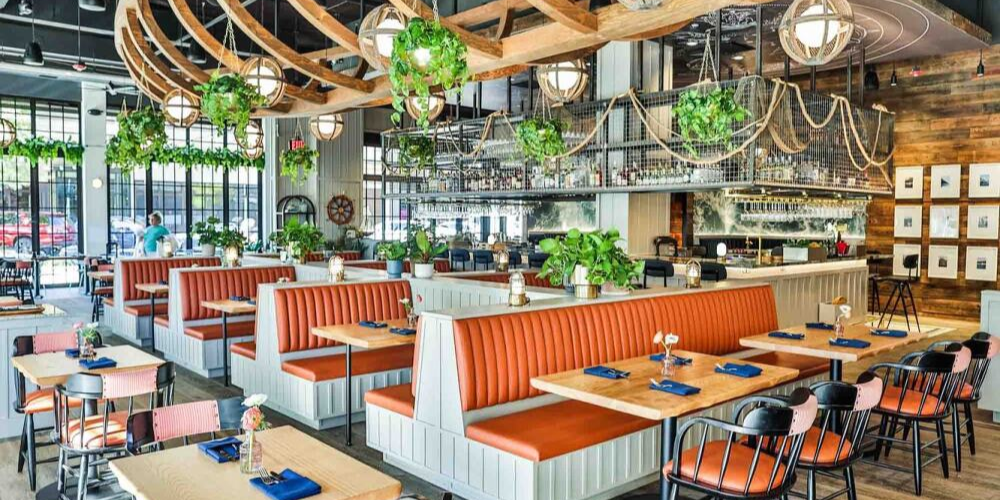
Restaurant teams often rely on several technology systems to manage different parts of their business. Reservation software, payment systems, guest databases, marketing tools, and other applications can create challenges when they operate independently. Integrated hospitality technology can help connect these functions and reduce fragmented information. When systems communicate with one another, teams may have better access to relevant information when making operational decisions. This can also reduce the need to repeatedly enter or transfer information between different platforms. For restaurant groups, connected technology can be particularly useful because multiple locations may need consistent processes and shared information. A more integrated approach can support organization, although businesses should always consider compatibility with their existing systems before introducing new technology.
Restaurant Groups Need Scalable Digital Solutions
Managing one restaurant can be very different from managing several locations. Restaurant groups often need centralized systems that allow teams to monitor information across multiple venues while maintaining consistent customer experiences. Scalable hospitality technology can help businesses organize reservations, guest information, marketing activities, and operational data across their locations. Shared information may also make it easier to understand how customers interact with different venues within the same group. This can support more coordinated communication and planning. As hospitality businesses expand, having technology that can grow alongside them becomes increasingly important. Instead of replacing systems whenever the business adds another location, scalable platforms can provide a foundation for managing additional venues while maintaining a consistent approach to guest relationships and daily operations.
Conclusion: Technology Shapes Modern Hospitality Experiences

Technology continues to influence how restaurants communicate with guests, organize reservations, manage information, and operate their businesses. Platforms that bring multiple hospitality functions together can provide businesses with a more connected approach to managing their customer relationships and everyday activities. Reservation tools can simplify booking processes, while guest management capabilities can help businesses understand returning customers. Marketing features can support more relevant communication, and integrated systems can reduce information gaps between different operational tools. These developments reflect a broader shift toward digital hospitality, where convenience and personalization are increasingly important. As restaurants and hospitality groups continue adapting to changing customer expectations, technology will remain an important part of creating organized, efficient, and engaging experiences for modern diners.
