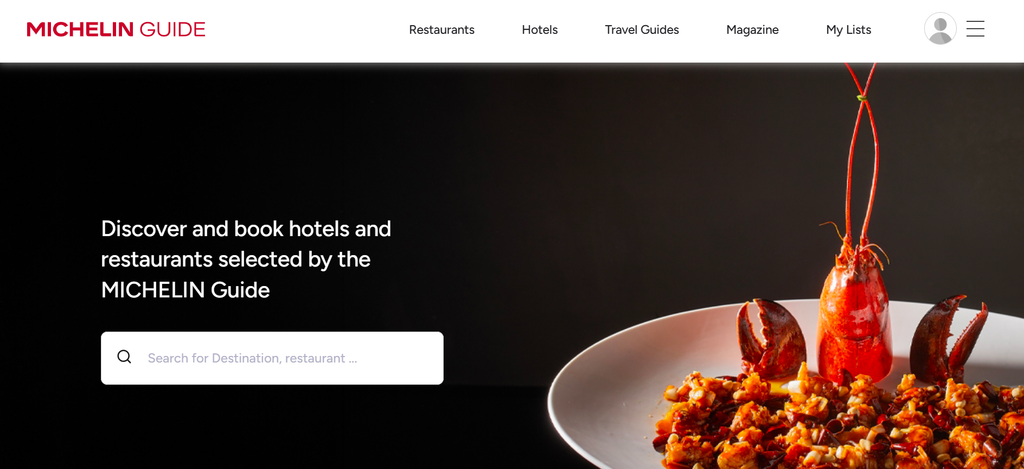
The Michelin Guide has become one of the most recognized names in the world of dining, helping travelers and food enthusiasts discover restaurants worth visiting. What began as a practical guide for motorists has developed into an influential reference for culinary experiences across numerous destinations. Its restaurant selections cover different styles, cuisines, and price levels, allowing readers to explore everything from refined dining rooms to approachable local establishments. The guide is particularly known for its Michelin Stars, Bib Gourmand selections, and recommended restaurants. For anyone who enjoys discovering food while traveling, Michelin Guide offers an organized way to explore destinations through their restaurants and culinary traditions.
Exploring Restaurants Through Trusted Selections
One of the most useful aspects of the Michelin Guide is its curated restaurant selection. Rather than presenting an overwhelming list of every available dining option, the guide highlights establishments that attract attention for their cooking, quality, and overall experience. Restaurants are categorized according to Michelin’s established distinctions, making it easier for users to understand what each location offers. The selection also covers a wide variety of cuisines, from traditional regional specialties to contemporary international cooking. This variety makes the guide suitable for different types of diners. Whether planning a special evening or simply searching for a memorable meal, users can browse restaurants based on destination and dining preferences.
Understanding Michelin Stars And Recognition
Michelin Stars are perhaps the guide’s most famous distinction, creating significant interest among diners and restaurant professionals. The Star system recognizes restaurants for the quality of their cooking, with one, two, or three Stars representing different levels of culinary distinction. However, the guide extends beyond starred restaurants, which is useful for people seeking more casual or affordable experiences. Bib Gourmand selections recognize establishments offering good food at accessible prices, while recommended restaurants provide additional choices worth exploring. This broader approach means visitors do not necessarily need a large budget to use the guide. Instead, Michelin’s selections can help diners discover experiences suited to different occasions and expectations.
Finding Local Flavors Across Destinations
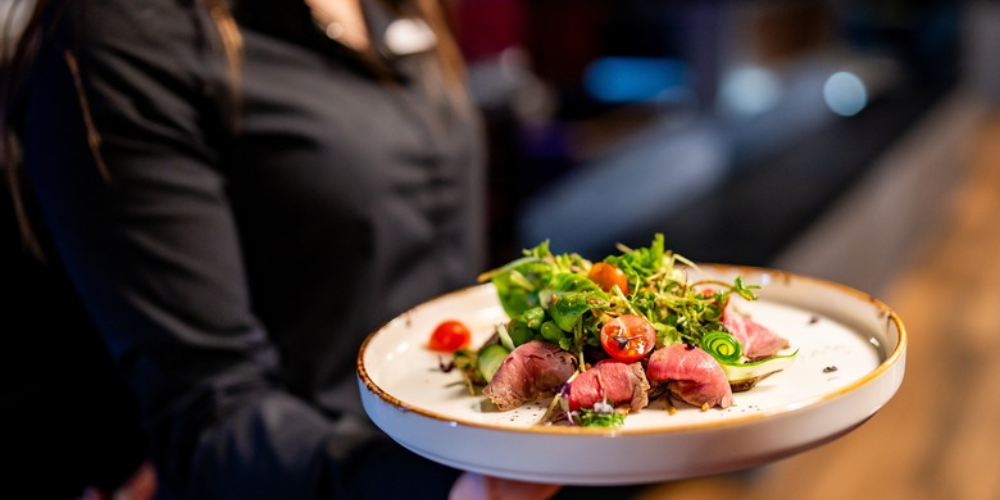
Another appealing feature is the guide’s international reach. Michelin selections can introduce travelers to restaurants that reflect the character of a particular city or region. Instead of focusing exclusively on famous international establishments, many selections highlight local ingredients, traditional cooking, and distinctive culinary identities. This can make restaurant exploration part of the travel experience itself. Users visiting an unfamiliar destination can use the guide as a starting point for discovering places that might otherwise be difficult to identify. At the same time, restaurant availability and Michelin coverage vary between destinations, so travelers should check the relevant location before making plans. This makes the guide especially valuable when incorporated into broader trip planning.
Using The Guide For Trip Planning
The Michelin Guide can also be useful beyond simply selecting a restaurant. Travelers can browse destinations, explore restaurant descriptions, examine cuisines, and build ideas around their dining itinerary. For popular restaurants, advance planning may be necessary because reservations can fill quickly, particularly during busy travel periods. The guide can therefore help users identify restaurants before arriving at their destination rather than searching at the last minute. It is also useful for comparing different dining styles, from elegant tasting menus to more relaxed establishments. However, restaurant details, opening schedules, menus, and reservation policies can change, so checking the restaurant’s current information before visiting remains an important part of planning.
Discovering More Than Fine Dining
A common misconception is that Michelin is exclusively about expensive fine dining, but its broader selections tell a different story. Bib Gourmand restaurants and other recommended establishments provide opportunities to explore quality food without necessarily choosing an elaborate tasting menu. This makes the guide more versatile for everyday travelers and food lovers. A casual neighborhood restaurant, a regional specialty, or a modern dining concept may all become part of a Michelin-listed culinary journey. The guide can therefore appeal to people with different budgets and dining preferences. Its greatest value may come from using the distinctions as helpful discovery tools rather than assuming that only starred restaurants deserve attention.
Considering Personal Taste Before Booking
Although Michelin selections can provide useful guidance, dining preferences remain highly personal. A restaurant recognized by the guide may offer a style of cuisine, atmosphere, or menu format that does not suit every visitor. Some diners may prefer traditional dishes, while others may enjoy experimental cooking or informal surroundings. Price, location, dietary requirements, reservation availability, and preferred dining times can also influence the final choice. For this reason, the Michelin Guide works best as a research resource rather than a substitute for personal judgment. Reading restaurant descriptions and checking current details can help users decide whether a particular establishment matches their expectations. This approach makes the guide more practical and flexible.
Conclusion: A Valuable Guide For Food Lovers

The Michelin Guide remains a useful resource for anyone interested in exploring restaurants and culinary destinations. Its combination of restaurant recommendations, Michelin Stars, Bib Gourmand selections, and destination-based discovery provides travelers with several ways to plan their dining experiences. Its international coverage can also encourage visitors to look beyond familiar restaurants and discover local culinary traditions. While recognition from Michelin does not guarantee that every restaurant will match an individual’s personal taste, the guide offers a structured starting point for research. For travelers, food enthusiasts, and anyone planning memorable meals, Michelin Guide can make the process of discovering restaurants more organized, informative, and enjoyable.
