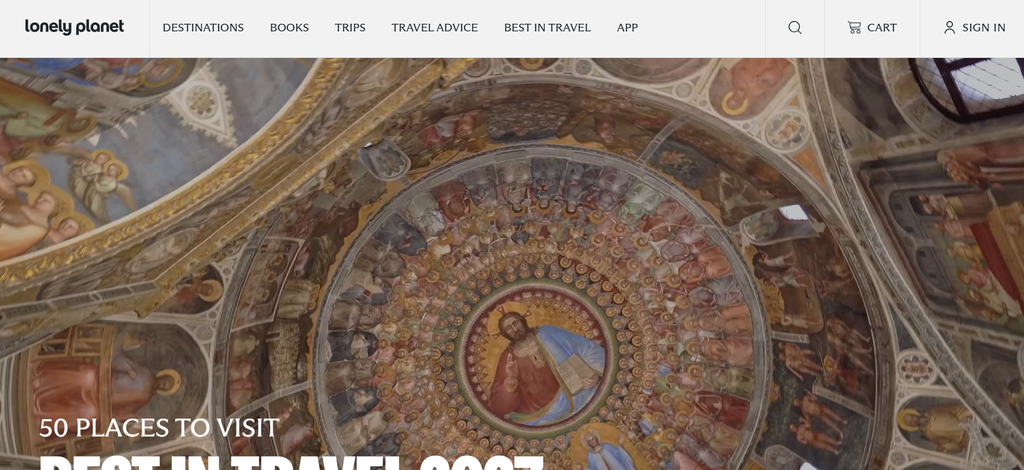
Lonely Planet has built a recognizable name in travel publishing by helping people discover destinations through practical information, local insights, and inspiring recommendations. Its travel guides have traditionally covered everything from major cities and famous landmarks to lesser-known neighborhoods, cultural experiences, food, and outdoor adventures. What makes Lonely Planet interesting is its focus on helping travelers understand a destination rather than simply listing attractions. Its content can be useful for first-time visitors, independent travelers, and experienced explorers looking for fresh ideas. With information presented in an approachable style, Lonely Planet remains a familiar resource for people who enjoy planning trips and discovering new places.
Exploring Destinations Through Practical Travel Guidance
One of Lonely Planet’s strongest features is its broad destination coverage. Travelers can find guidance for countries, cities, regions, and popular travel routes across the world. The content generally combines essential planning information with ideas for sightseeing, dining, culture, transportation, and activities. This variety allows readers to build an itinerary around their own interests rather than following a fixed travel plan. The platform is particularly useful when travelers are still researching where they want to go. Instead of concentrating exclusively on major tourist attractions, Lonely Planet often introduces different experiences that can make a trip feel more personal. This makes destination research more engaging and flexible.
Travel Inspiration Beyond Typical Tourist Attractions
Travel planning is not always about finding the most famous landmark, and Lonely Planet recognizes that. Its content frequently explores local neighborhoods, cultural experiences, food traditions, natural scenery, and activities that can add variety to a trip. This approach can appeal to travelers who want something beyond standard sightseeing. Readers may discover ideas for walking tours, scenic journeys, outdoor adventures, museums, markets, and regional experiences while researching a destination. The recommendations can also encourage travelers to consider different styles of travel, whether they prefer relaxed city breaks, road trips, family holidays, or adventurous journeys. As a result, Lonely Planet works as both an information source and an inspiration platform.
Helpful Features For Planning Different Trips
A useful travel resource should make trip preparation easier, and Lonely Planet provides information that can support several stages of planning. Destination guides can help readers understand what a place offers before deciding where to stay or what to visit. Travelers can also use recommendations to create rough itineraries and identify experiences that match their available time. The organization of information can be helpful when comparing different destinations or deciding how to spend a limited number of days. However, travelers should still verify details such as opening hours, transportation schedules, entry requirements, and prices before making final arrangements. Travel information can change, so current confirmation remains important.
User Experience And Overall Content Quality

Lonely Planet generally presents travel information in a straightforward and accessible manner. Its recognizable editorial style makes destination research feel less complicated, particularly for readers who are unfamiliar with a location. The content can provide a useful balance between practical planning details and engaging descriptions that encourage exploration. Another positive aspect is the range of travel interests represented across its material. Different readers can find ideas related to food, culture, nature, history, adventure, and city exploration. That said, travelers looking for highly personalized recommendations may still need to supplement Lonely Planet with recent reviews, local sources, maps, and firsthand experiences. The platform works best as one part of a broader research process.
Why Lonely Planet Appeals To Travelers
Lonely Planet has remained relevant because it understands that travelers want both useful information and inspiration. A good guide should answer practical questions while also creating excitement about visiting a destination, and the brand combines these two purposes effectively. Its long-standing reputation in travel publishing also gives it familiarity among travelers who have used guidebooks or destination resources before. The range of destinations means readers can use the platform for different types of journeys rather than relying on separate resources for every trip. Whether someone is researching a weekend city visit or considering a larger international adventure, Lonely Planet can provide ideas that help shape the early stages of travel planning.
Conclusion: Is Lonely Planet Worth Exploring?

Lonely Planet remains a valuable travel resource for people who want destination inspiration combined with practical planning information. Its wide selection of destinations and varied travel topics makes it suitable for different types of travelers and trip styles. The platform can help readers discover attractions, experiences, neighborhoods, cultural highlights, and activities they might otherwise overlook. At the same time, it should not be treated as the only source for time-sensitive travel details because prices, schedules, regulations, and local conditions can change. Overall, Lonely Planet is most useful as a starting point for research and inspiration, helping travelers understand their options before creating a more personalized and up-to-date travel plan.
